The Case for Introspection
Every uncomfortable thought has an escape hatch now. Pull out your phone. Scroll. React. Move on. The ability to actually sit with your own mind is easier to avoid than ever before.
I’m guilty of this, too. I use my phone to ignore the anxious ball in my stomach, find distraction from boredom, or confirm my beliefs. But I've realized something concerning: we are outsourcing our thinking without thinking. Not just our attention — our actual opinions, our sense of what matters, our emotional responses. Social media delivers pre-formed takes on everything from geopolitics to how to feel about your body, and we absorb them before we've had time to figure out where we actually stand.
Most concerningly, the people shaping these views are strangers with unknown motivations and zero accountability for what they convinced you to believe.
Some of that is fine. Nobody forms every opinion from scratch. But there's a threshold somewhere, and I think we've long since crossed it. The same reflex that reaches for the phone when a thought gets uncomfortable, shows up in a lot of places once you start watching for it.
Emotional development doesn't happen automatically.
The term “adulting” was supposed to be about the comedy of being 27 and not knowing how to do your taxes. But the joke reveals an unfortunate truth: modern life is extremely good at keeping you busy, distracted, and on the surface of things. Emotional depth — the actual capacity to sit with difficulty, understand your own patterns, feel something without being flattened by it — doesn't grow unless you tend to it.
You can coast for a very long time without it and only notice the gaps at 2am or in the middle of a fight you don't understand why you're having.
Introspection is uncomfortable for a reason.
The reason looking inward is hard isn't that you're weak or doing it wrong. It's that the stuff worth examining is usually the stuff you needed to put away to function.
“Why does ____’s success bother me?”
“What am I actually afraid of in this relationship?”
“Why do I self-sabotage in that one specific way?”
These are things below the threshold of what daily life requires you to examine. But leaving them unexamined forever means they fester and explode out in strange, confusing ways.
Therapy can help you dig in to questions like these. It certainly helped me. But leaning on it too heavily can become its own form of outsourcing. If you only ever look at yourself through someone else's framing, you can end up needing that external presence to process anything hard, which is the opposite of what the work is supposed to build. The goal, eventually, is to develop the capacity to look clearly at yourself without scaffolding for every difficult thing. A good therapist knows this. The best ones are building you toward not needing them.
At some point, you should develop the tools to give yourself what you need to continue to the work on your own: safety, stillness, permission to acknowledge what's already there.
It doesn't end, and that's the point.
I've been practicing looking inward to understand myself for years. I'm still learning things about why I act the way I do, what I actually want, and how the gap between who I am and who I'm trying to be shifts over time.
Introspection isn't a project you finish. It's closer to exercise or eating in a way that actually makes you feel good. It’s a practice that improves and maintains your mental and emotional wellbeing.
The payoff accumulates. You make fewer decisions you don't understand later. You recognize yourself in situations faster. You get better at telling the difference between what you actually think and what you've absorbed from everywhere else.
That's what I built Pearl for.
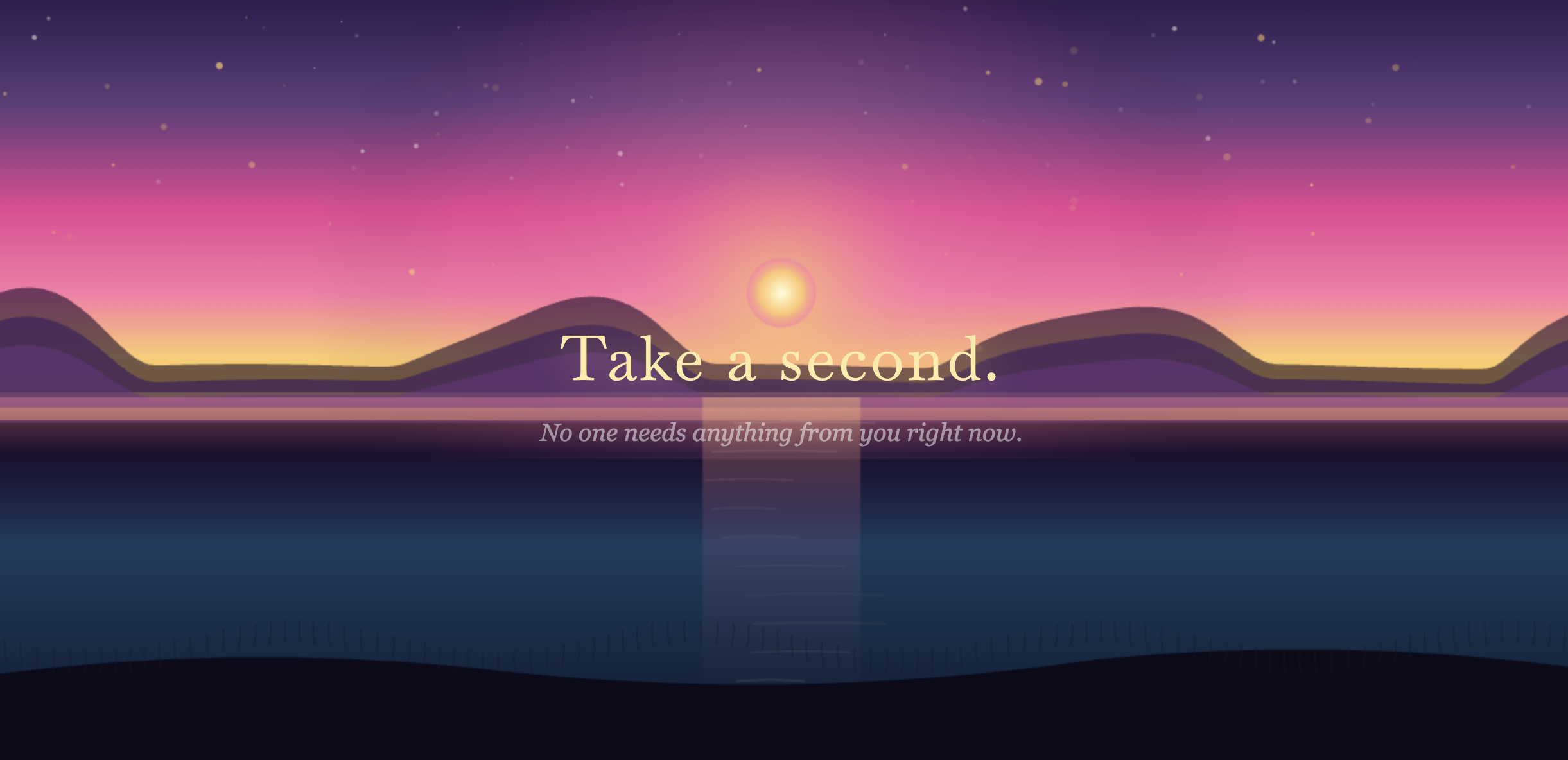
Pearl is a companion to introspection. You write about your day, your relationships, a decision you can't shake, whatever, and Pearl listens. It notices patterns in what you write across time, holds the intentions you've set for yourself, and gently reflects all of this back to you. It allows you to look at yourself honestly, and compassionately.
The space it creates is deliberate. Filled with vibrant color and intentional movement, it forsakes common wellness app concepts like streaks, dashboards, and guilt for missing days, in favor of a warm, welcoming place that is ready when you are. The visual environment is designed to feel genuinely otherworldly, because introspection benefits from a completely new environment. My hope is it allows you to feel like you can put the hard thing down without being judged for it, or graded on how you handled it, or reminded of it tomorrow with a push notification.
The accountability isn't punitive. It comes from having something that remembers what you said you were working on, and holds that intention gently next to where you actually are. Over time, that gap gets smaller.
That's the practice.
If this sounds interesting to you, you can check out the app preview I built, and sign up for updates! Thank you for your support!